


Zombie Devices in Embedded Systems
One might think that zombies exist only in horror movies and TV series, but factories, utilities, hospitals, other facilities, and...
We are here to help
Have a question or need guidance? Whether you’re searching for resources or want to connect with an expert, we’ve got you covered. Use the search bar on the right to find what you need.

The Cyber Resilience Act is no longer a future obligation. Since 11 September 2026, manufacturers of products with digital elements must report actively exploited vulnerabilities and severe incidents to ENISA and the relevant national CSIRT, beginning with an early warning within 24 hours of becoming aware of them. Full product compliance follows on 11 December 2027.
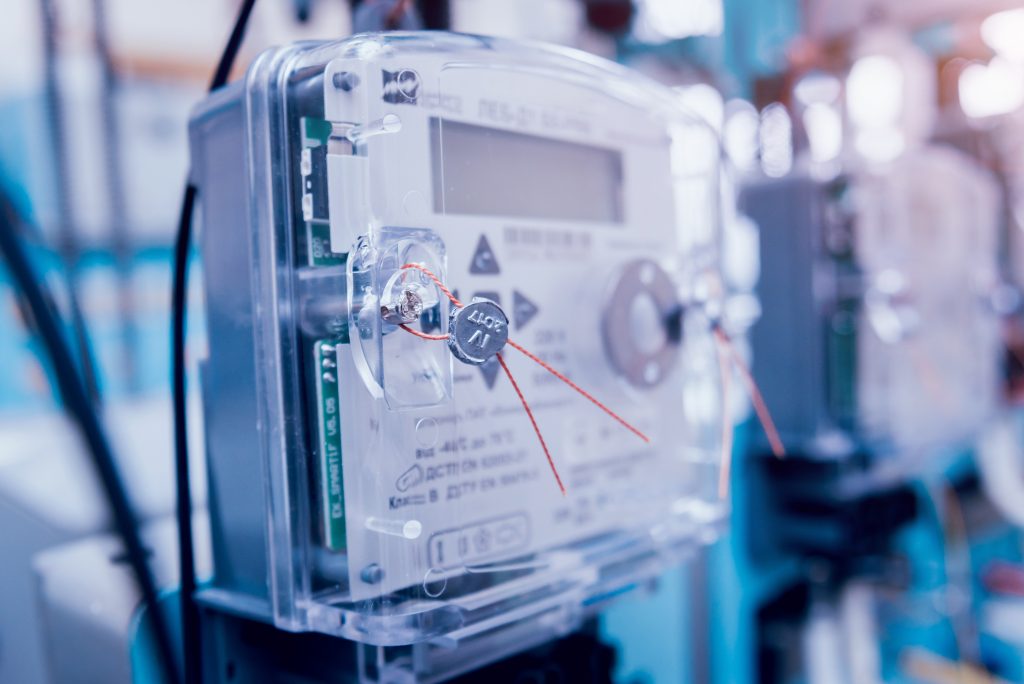
For manufacturers of smart meters, EV chargers, substation controllers, and other grid-edge devices, this means cybersecurity is no longer a “nice-to-have.” It is a legal obligation covering mandatory vulnerability handling, secure-by-default configurations, and support commitments across the full lifecycle of the product.
Despite its European origin, the CRA has a global reach. Any company selling smart devices into the EU will need to comply, regardless of where they manufacture their products.
| Date | What happens |
|---|---|
| 10 December 2024 | The CRA entered into force. The phased rollout begins. |
| 11 September 2026 In force |
Manufacturers must report actively exploited vulnerabilities and severe incidents to ENISA and the relevant CSIRT. The cadence is an early warning within 24 hours, a fuller notification within 72 hours, and a final report within 14 days of a corrective measure becoming available, or within one month of the 72-hour notification for a severe incident. |
| 11 December 2027 Next deadline |
Full product compliance is required. CE marking includes CRA conformity. Products with known exploitable vulnerabilities cannot be placed on the market. |
The reporting obligation now applies whether your product conformity work is complete or not. Reports go to ENISA through its Single Reporting Platform, which opened on 11 September 2026.
You might ask, “Do I really need to worry if I am based outside the EU?”
The answer is yes. If you are targeting European customers, the CRA will apply. It will eventually become part of the CE marking process, just like other essential directives.
Similar standards are emerging worldwide. In the United States, the voluntary Cyber Trust Mark label for consumer IoT devices is gaining ground, with the FCC selecting the ioXt Alliance as its lead administrator in April 2026, while NIST guidance such as NISTIR 8259A and SP 800-213 already sets detailed cybersecurity expectations for connected and embedded devices. Regulatory momentum is global, and cybersecurity by design is fast becoming the norm.
Cyber attackers often target devices in the smart energy space because they are connected, remotely monitored, and deployed in physically accessible environments.
Manufacturers historically built many of these devices with limited security controls and constrained processing power. The CRA sets clear requirements that change this:
That last point is where smart energy diverges from most other product categories. The CRA sets a floor of five years of support, and requires a longer period where the product is expected to be in use for longer. A consumer router sits close to that floor. A smart meter installed this year is expected to stay in the field into the 2040s, and the CRA support obligation follows the expected deployment lifetime, not the sales cycle.
Many will not last that long. The failures that cut meter life short are rarely the ones a compliance program is looking at, and Umair Ejaz walks through them in the webinar Why smart meters fail early.
Addressing these vulnerabilities in-house comes with cost and resourcing challenges. For many manufacturers, taking on the responsibility of vulnerability management means building and retaining a dedicated security team. This team can comprise 3 to 5 full-time people, tasked year-round with managing threat response and updates.
In addition, designing devices to ship with secure-by-default configurations often means upgrading hardware so it can handle stronger encryption and more robust security protocols. This affects both the bill of materials and design timelines, particularly where the available software stacks are memory-heavy and not optimized for small environments.
The stakes are high. Beyond direct remediation costs, a severe incident in the smart energy sector carries regulatory exposure under the CRA, and reaches manufacturers indirectly through the NIS2 obligations placed on the utilities and grid operators they supply. It can also disrupt services that customers depend on. The damage can go far beyond the balance sheet, with regulatory fines and even critical service disruptions that put lives at risk.
To comply with the CRA and meet similar global expectations, products must embody the core pillars of cybersecurity:
Protect data in transit and at rest, and limit who can access what.
Detect and prevent tampering or corruption across the device lifecycle.
Confirm that every device, firmware image, and connection is what it claims to be.
The CRA governs how the program is run, not only what the product does. Most gaps sit here.
Cryptography and data integrity are engineering problems with known solutions. Ongoing vulnerability handling is an operational commitment running the full service life of the device, which is why it is the one most often underestimated at design stage. It is also the obligation that already applies: if you cannot move from detection to an ENISA early warning inside 24 hours, close that gap first.
Another key CRA requirement is that devices placed on the market must have ongoing support and vulnerability handling. For many manufacturers, that is a significant operational shift.
Using trusted vendors that specialize in secure storage and protocol stacks for your embedded software libraries reduces cost, reduces the burden on internal teams, and reduces regulatory risk. It ensures you have:
A CRA-compliant security program inside a smart energy manufacturer typically needs 3 to 5 dedicated security engineers. Sourcing the security stack commercially offloads a meaningful share of that work, and removes the burden of maintaining those libraries in-house for the full service life of the device.
Beyond technology, the right partner can help navigate the practical steps to compliance. Security frameworks like the CRA, IEC 62443, or IEC 62351 require organizations to have secure processes, people, and documentation, and not just secure devices.
For many companies, it is smart to start with the elements common to all these frameworks: maintain up-to-date Software Bills of Materials, evaluate your supply chain, conduct regular threat and risk assessments, compile test reports, and create clear incident and vulnerability response plans.
Equally important, preparing your organization internally is key. Train teams on cybersecurity best practices, implement data minimization and retention policies, and define access control levels and individual roles and responsibilities for managing security and compliance long-term.
The CRA is a strategic opportunity. Manufacturers that invest early in building secure, resilient devices will gain a competitive edge, reduce lifecycle costs, and strengthen their standing with customers and regulators alike.
Cybersecurity is no longer a backend concern. It is central to product design and a key driver of trust and business success, and should start with how you manage your software and embedded systems.
RELATED ARTICLES

One might think that zombies exist only in horror movies and TV series, but factories, utilities, hospitals, other facilities, and...

We at Tuxera are dedicated to developing products that are secure and resilient against the threats of the connected world....

The EU Cyber Resilience Act (CRA) came into force in December 2024 and its main requirements will apply from December...

Procuring key middleware components in embedded systems leads to faster time to market, higher quality and compliance with new regulations....
Suggested content for: