We are here to help
We’ll help you find the right solution
Have a question or need guidance? Whether you’re searching for resources or want to connect with an expert, we’ve got you covered. Use the search bar on the right to find what you need.
We are here to help
Have a question or need guidance? Whether you’re searching for resources or want to connect with an expert, we’ve got you covered. Use the search bar on the right to find what you need.
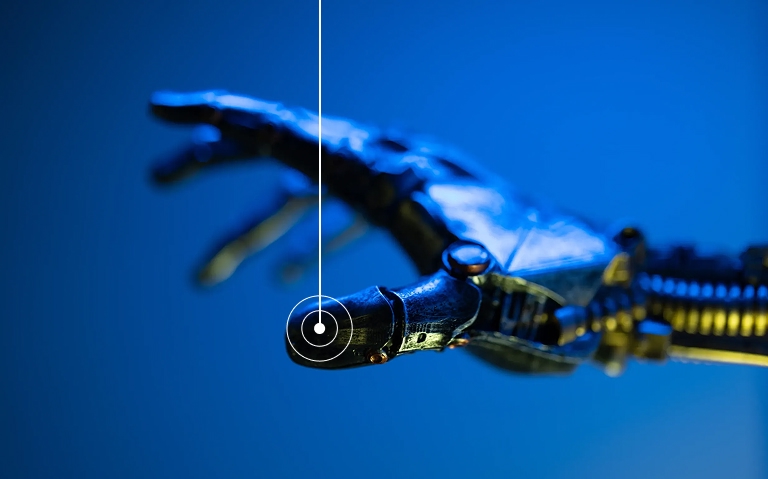
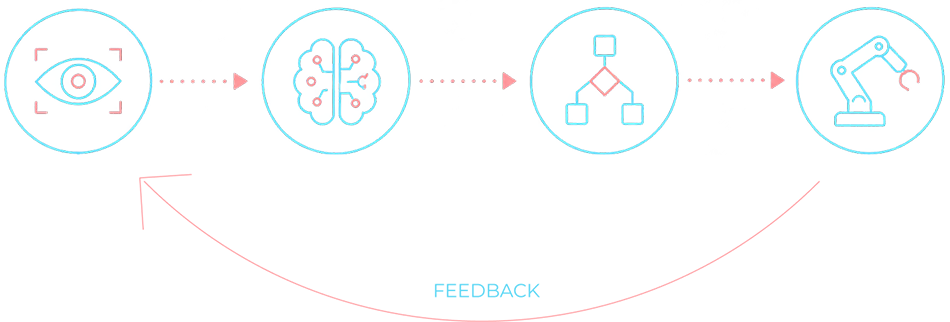
Physical AI brings artificial intelligence into the real world, enabling machines to perceive, understand and act on their environment. Every action starts with data and every interaction depends on a continuous flow of data and the infrastructure that keeps it available, reliable and moving.
Physical AI is intelligence entering the real world. It continuously creates, consumes and acts on data—from sensors and machine state to AI models, maps and telemetry. Every action starts with data.
Every action changes the physical environment, generating new sensor data that feeds back into the system.
Physical AI takes different forms across the real world, but the need for resilient data remains the same. From autonomous vehicles and industrial robots to medical devices and smart energy infrastructure, each system depends on data that stays available, reliable and moving.
Resilient data infrastructure supports the performance and predictability of increasingly intelligent automotive systems, helping them respond reliably in real time and keep roads safer.
Critical moment: A pedestrian suddenly steps into the road.
What resilience enables: Predictable data performance helps the vehicle access the data it needs and respond reliably in real time, helping to avoid a collision.
Recommended products for automotive:
Tuxera NitroFS
Tuxera TCP/IP Stack
Tuxera EdgeFS
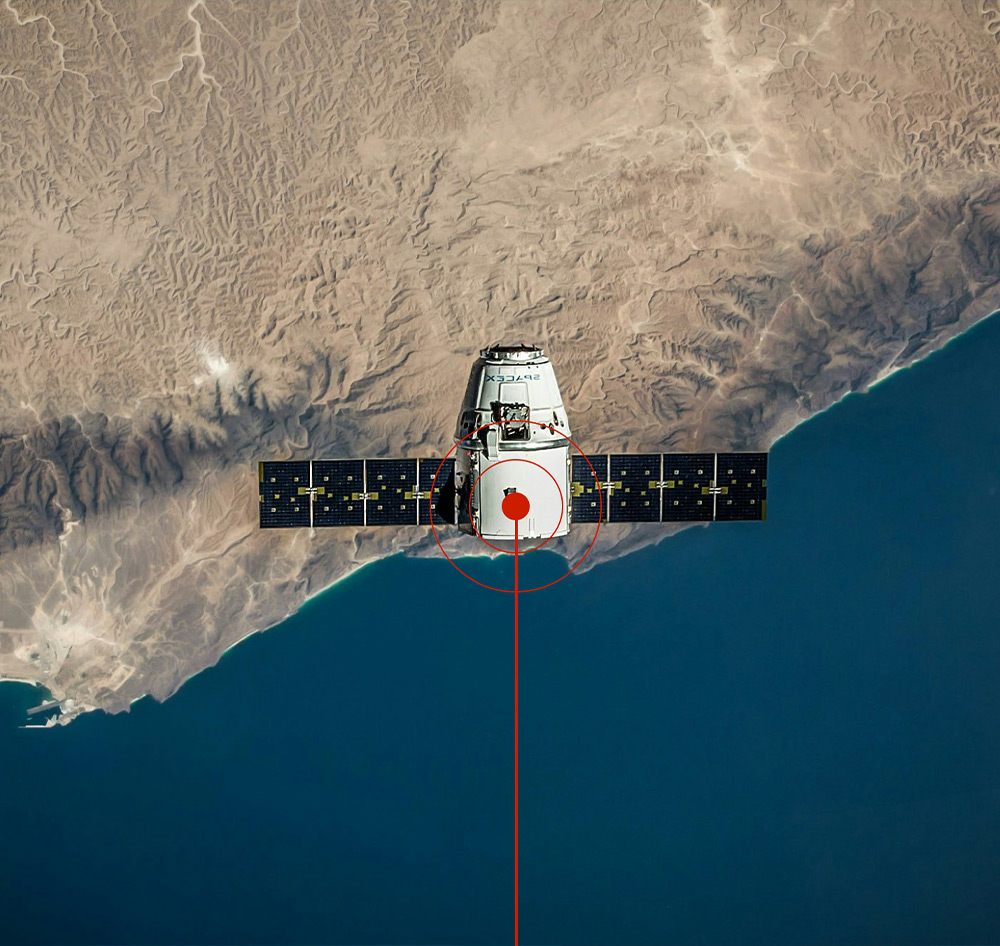
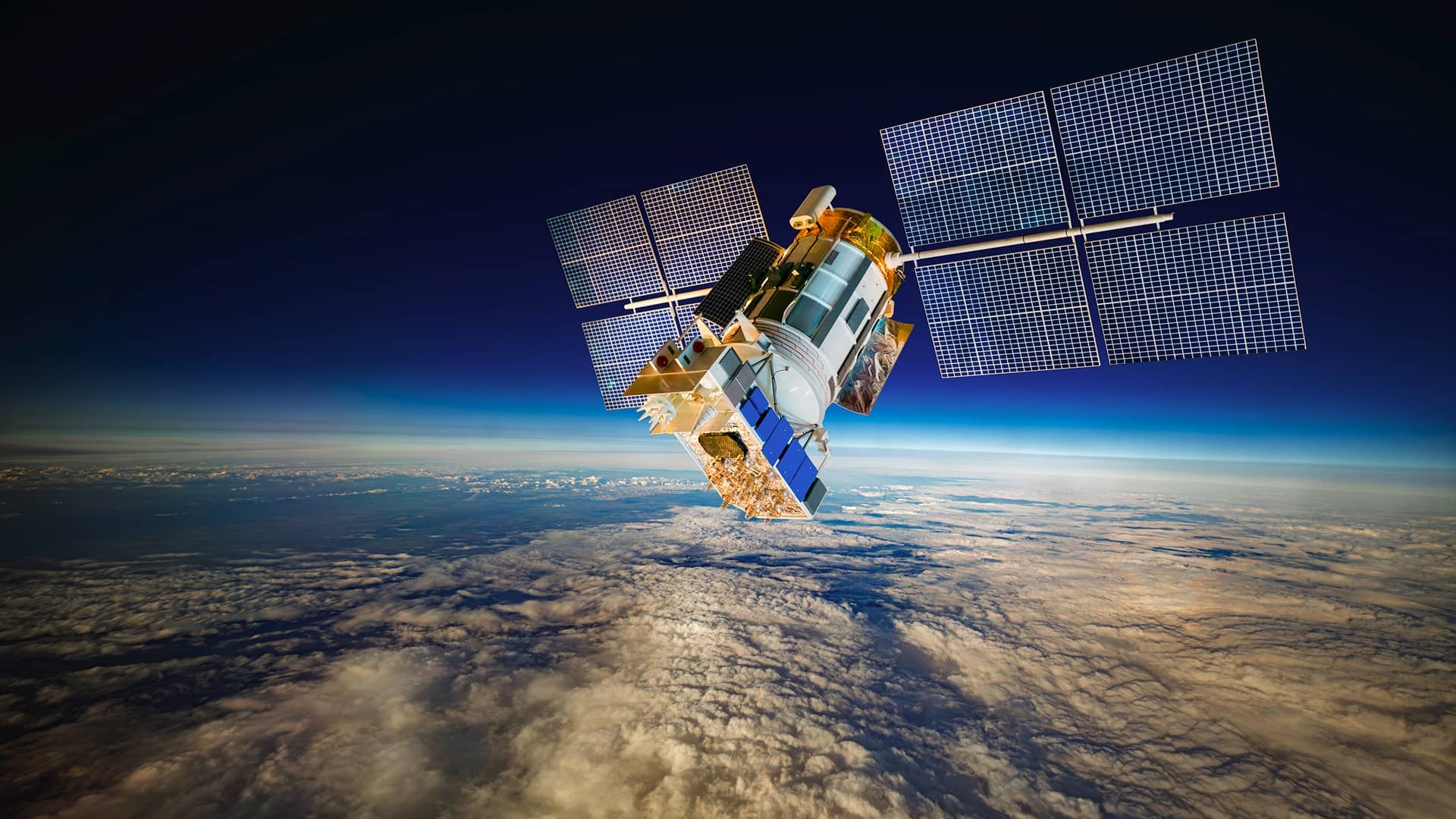
Resilient data infrastructure keeps data available and intact across aerospace systems operating far from support and in demanding conditions.
Critical moment: A satellite experiences an anomaly while out of contact with ground control.
What resilience enables: Critical telemetry remains intact and available, giving engineers the data they need to diagnose the problem, recover the system and protect the mission.
Recommended products for aerospace:
Tuxera FlashFX Tera
Tuxera EdgeFS
Tuxera TCP/IP Stack
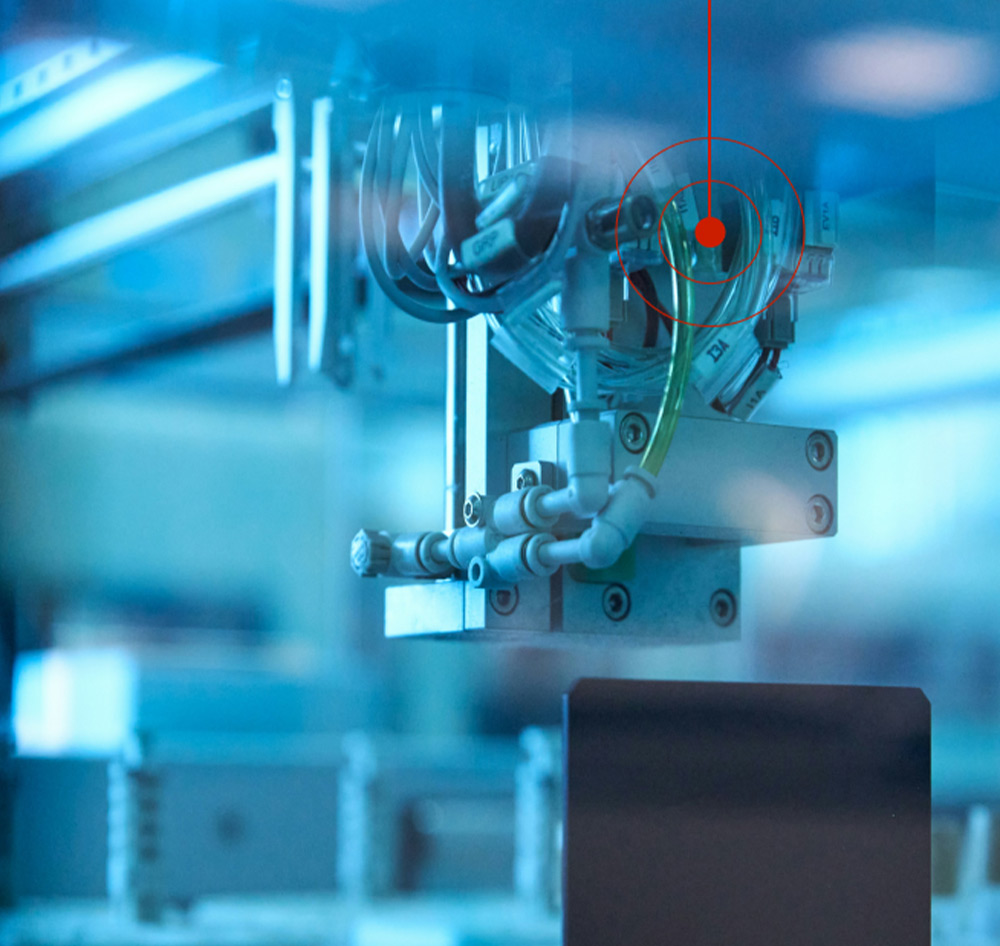
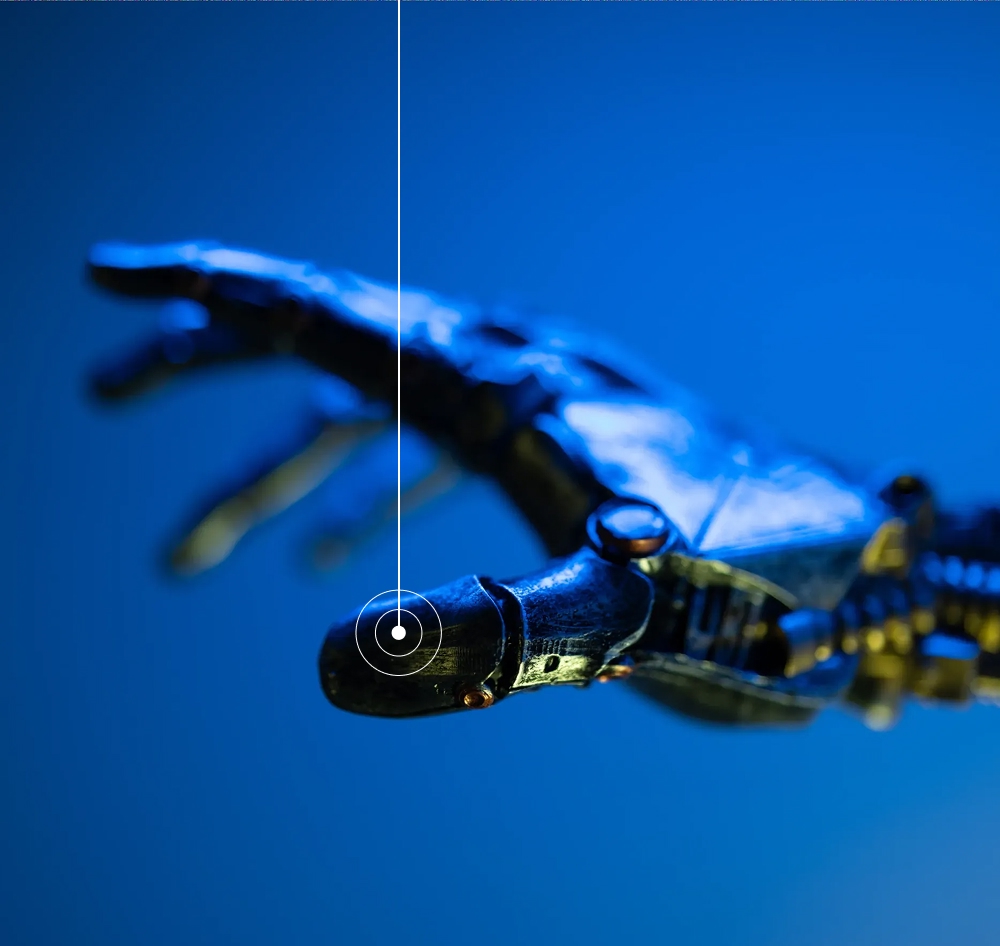
Resilient data infrastructure helps industrial systems maintain continuous operation through intensive workloads, unexpected interruptions and long operating lifecycles.
Critical moment: A robot detects an unexpected object in its path during production.
What resilience enables: Sensor and operational data remains continuously available, helping the robot respond safely while minimizing disruption to production.
Recommended products for industrial:
Tuxera NitroFS
Tuxera FlashFX Tera
Tuxera TCP/IP Stack
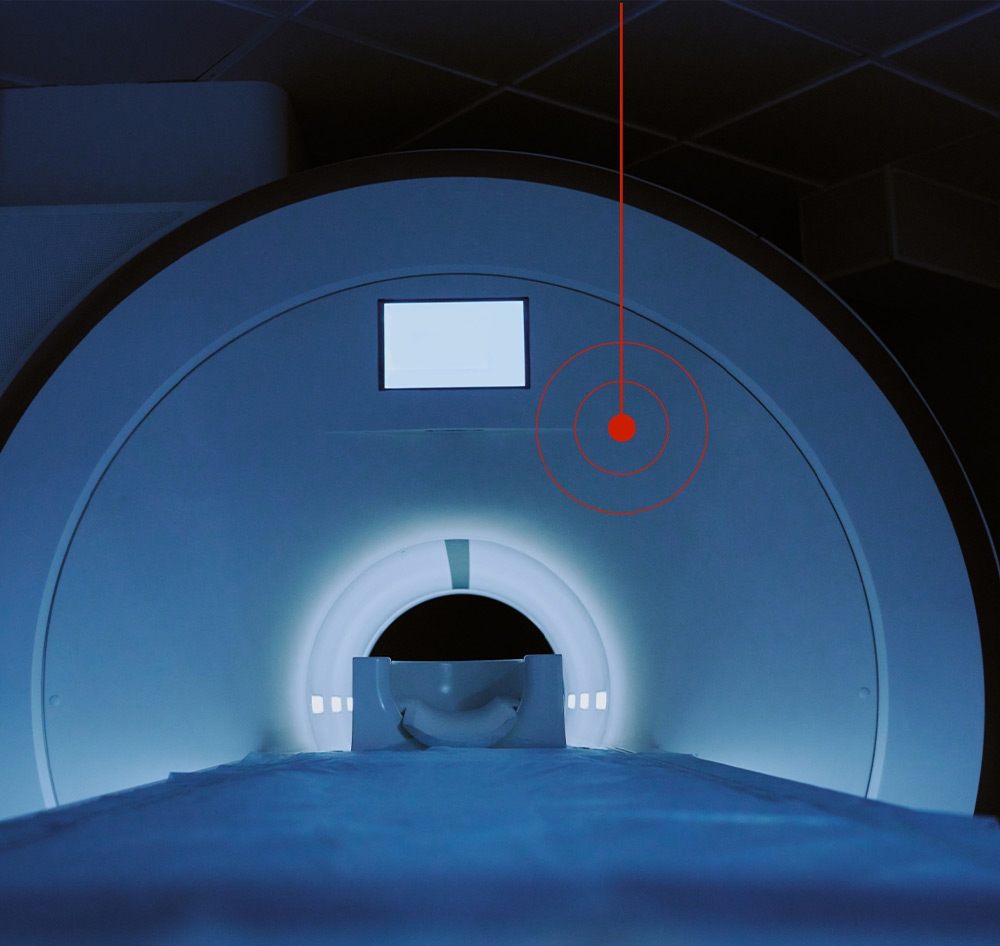
Reliable and predictable data infrastructure supports medical systems where data integrity and continuity can help save lives.
Critical moment: A robotic surgical system encounters an unexpected interruption during a procedure.
What resilience enables: Critical data and system state remain intact, helping the system recover reliably and supporting continuity when patient safety is at stake.
Recommended products for medical:
Tuxera EdgeFS
Tuxera NitroFS
Microsoft exFAT by Tuxera
Resilient data infrastructure helps smart energy systems preserve critical data and maintain continuity through power loss, connectivity issues and grid disturbances.
Critical moment: A smart meter loses power during a grid disturbance.
What resilience enables: Critical data survives the interruption, allowing the meter to resume operation without losing essential information and helping maintain an accurate view of the grid.
Recommended products for smart energy:
Tuxera NitroFS
Tuxera TCP/IP Stack
Tuxera EdgeFS
Resilient data infrastructure keeps data available across defense systems that need to operate in demanding environments, even when connectivity is limited or unavailable.
Critical moment: An autonomous system loses connectivity during an operation.
What resilience enables: Critical data remains available locally, allowing the system to continue operating without relying on a network connection.
Recommended products for defense:
Tuxera NitroFS
Tuxera TCP/IP Stack
Tuxera FlashFX Tera
Our software runs in over 500 million devices. Some have even gone beyond the Moon.
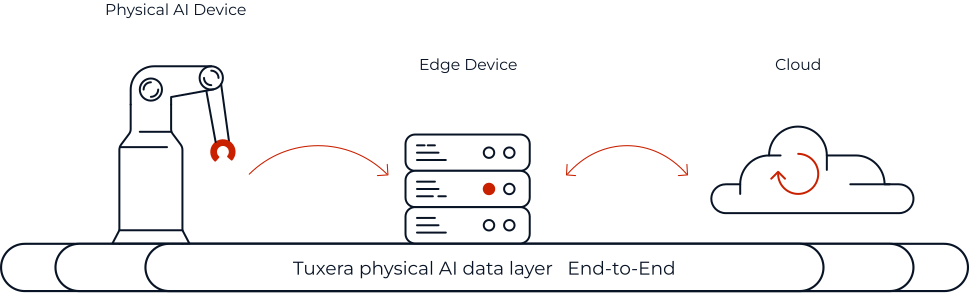
Turning physical AI models into systems that can operate reliably in the real world requires infrastructure across the entire data path. Data moves across devices, edge systems, networks and infrastructure, and Tuxera’s portfolio supports this path by helping keep data available, reliable and moving wherever the system needs it.
Tuxera’s portfolio works across the physical AI data layer, bringing together the technologies that store, manage, protect and move data. Together, they create a connected data architecture designed to keep data available, reliable and moving across the system.
See how resilient data infrastructure supports real-world systems where performance, reliability and continuity matter.
Explore insights, research and technical perspectives on building resilient data infrastructure for physical AI.
Physical AI refers to AI systems that can perceive, understand and act on the physical world. Unlike AI that operates only in digital environments, physical AI continuously interacts with its surroundings through sensors, data, computing and physical actions.
The physical AI data layer is the infrastructure that stores, manages, protects and moves the data physical AI systems depend on. It spans devices, edge systems, networks and infrastructure, keeping data available, reliable and moving wherever it is needed.
Generative AI creates digital outputs such as text, images or code. Physical AI uses intelligence to understand its environment, make decisions and take actions in the physical world. Because those actions can have real-world consequences, physical AI places additional demands on reliability, predictability and data availability.
Physical AI often needs to process and act on data close to where it is generated. Edge computing allows systems to operate with lower latency, reduce dependence on network connectivity and continue functioning when cloud access is limited or unavailable.
Physical AI operates in unpredictable real-world conditions where power loss, connectivity issues, hardware wear and changing workloads can disrupt data. Data resilience helps keep critical information available and intact through these disruptions, enabling systems to continue operating and recover reliably.
Deterministic means delivering predictable performance within known timeframes. For physical AI, this helps ensure that critical data can be accessed and moved when it is needed, even as workloads and operating conditions change.
File systems organize, store and provide access to the data physical AI systems generate and consume. They help maintain data integrity and availability through intensive workloads and unexpected interruptions, supporting reliable operation over time.
Suggested content for: