


Smart water meter resilience: Why every data drop counts
Water meters are expected to deliver a decade of accurate, low-maintenance service, but data failures, power inefficiencies, and flash memory...
We are here to help
Have a question or need guidance? Whether you’re searching for resources or want to connect with an expert, we’ve got you covered. Use the search bar on the right to find what you need.

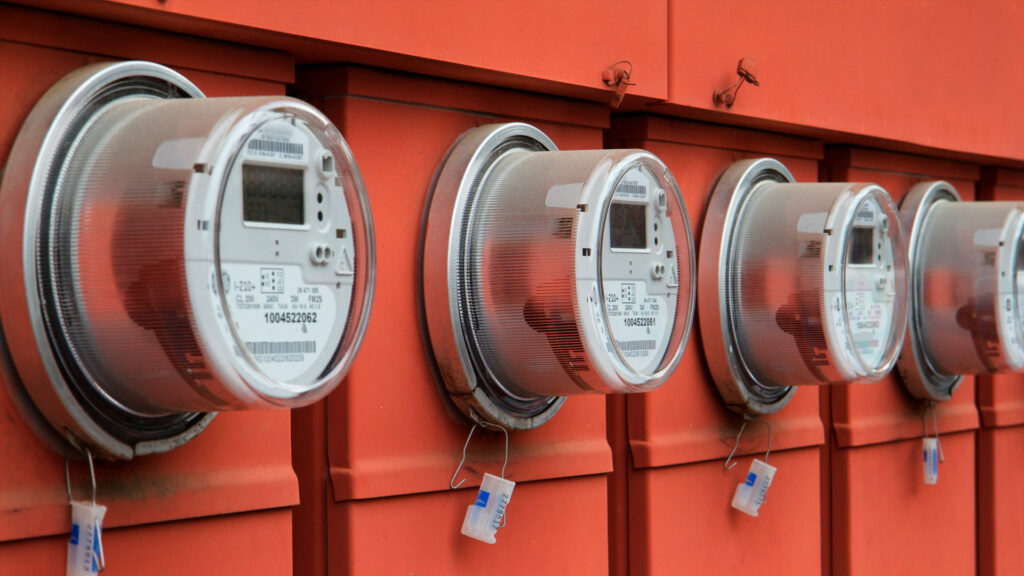
Leading smart meter manufacturers like Itron, Kamstrup and Growatt design their meters to last 20 years or more. But many start having operational issues within just seven years in the field. In the UK, for example, nearly four million smart meters did not work properly in 2024.
While hardware issues often take the blame, the real problem might lie somewhere less obvious: in your file systems and flash software controllers. In this article, we will shed light on a hidden threat to smart meter longevity and share practical solutions to help engineering teams extend their lifespan.
Smart meters work around the clock, logging data, recording events, and updating firmware, with data and event logs typically stored in SQLite databases. This constant activity puts a lot of pressure on NAND flash memory.
Most meters run on real-time operating systems (RTOS), with resource-constrained microcontroller units (MCUs) and limited memory. In this environment, flash storage becomes the weakest link. Factors like file system overhead, metadata updates, journaling, and garbage collection (moving valid data around to reclaim free space) all worsen the issue.
In an unoptimized system, these factors add up, causing flash memory to exceed its endurance limits sooner than expected. Many engineering teams overlook this risk, assuming default file systems are enough for smart meters. However, standard file systems are designed for general use, not the demanding endurance requirements of long-life embedded devices.
Smart meters are typically low-cost devices, often costing around 40 euros or less, so adding more flash memory might seem like an easy solution to extend lifespan. But this increases the bill of materials (BoM) and the hardware cost per device, which original equipment manufacturers (OEMs) cannot afford if they want to stay competitive in a cost-sensitive market.
Write amplification means a system writes more data than intended. For example, if your application writes 1 KB of data, NAND flash memory could end up writing 8 KB or more due to storage inefficiencies. The higher the write amplification, the faster the flash memory wears out, cutting device lifespan short.
Write amplification in smart meters causes premature wear on NAND flash memory, which can lead to data loss, unexpected failures, and costly replacements. This overlooked issue is dramatically shortening the life of smart meters across the industry.
Our recent SQLite workload tests show that write size, sync intervals, and concurrent processes significantly increase the write amplification factor (WAF). While longer intervals between syncs can help merge writes, they also raise the risk of data loss, which is a real problem for field devices like smart meters. Our white paper How write amplification kills designs covers the topic in more depth, including Linux and FreeRTOS comparisons.
The real challenge is to solve the write amplification problem without increasing hardware costs or the risk of data loss.
Standard file systems are not designed for NAND flash, leading to excessive write amplification and premature wear. Flash-friendly file systems, however, significantly reduce this write amplification factor (WAF) and improve flash endurance.
Smart flash software controllers also make a difference. They manage how data gets written, erased, and redistributed across the memory. With better wear leveling and garbage collection, they prevent any single flash block from getting overworked, extending your device’s life and improving flash endurance in smart meters.
Power outages are inevitable for smart meters. When they happen, data corruption becomes a major risk. The right combination of file systems and flash software controllers provides robust protection, keeping your data intact and your operations stable.
A senior R&D manager at a leading smart meter company shared their experience with Tuxera NitroFS™ (formerly Tuxera Reliance Nitro™) file system and FlashFX Tera™ flash software controller: “We successfully completed lifespan testing, simulating over 20 years of product use with more than 1.2 billion SQLite3 write transactions.”
While their testing met the minimum lifespan requirement, our engineering team helped them optimize their system even further, extending the meter’s lifespan up to 32 years. This shows that even a small component like the file system can have a huge impact on overall device longevity.
Consider file systems and write amplification from the start of the design. By choosing the right embedded solutions for your smart meters, you can:
For utility companies, this is more than a technical detail, because it directly affects whether your meter readings are accurate and reliable, which impacts everything from billing to planning. Investing in optimized embedded file systems for smart meters today will save you from costly replacements down the road.
RELATED ARTICLES
Water meters are expected to deliver a decade of accurate, low-maintenance service, but data failures, power inefficiencies, and flash memory...
CRA vulnerability reporting has applied since 11 September 2026. What smart energy manufacturers need in place for vulnerability handling, secure-by-default...
Smart meters are transforming energy consumption monitoring worldwide. Thanks to their real-time connectivity and continuous data exchange, they enable utility...

Customer reports smart meter design lifetime extended by 50%, from 20 to 30 years, using Tuxera technologies. Tuxera demonstrates power...
Suggested content for:
Your mission-critical systems demand uncompromising reliability. Tuxera products mean absolute data integrity. We specialize in file systems, software flash controllers, and secure networking and connectivity solutions. We are the perfect fit for data-intensive, mission-critical workloads. Using Tuxera’s time-proven solutions means that your data is safe and secure – always.
Our solutions are trusted by major brands worldwide. When you need reliable, scalable, and lightening-fast data access and transfer across any system or device, Tuxera delivers. Our track record speaks for itself. We’ve been in this business for decades with a clear mission: to be the partner you can trust. Read on to find out more.
From satellites to smart meters, our software protects critical data and ensures seamless connectivity wherever mission-critical systems operate.
We couldn't find any matching results. Please try searching with different keywords or browse our popular tags below.